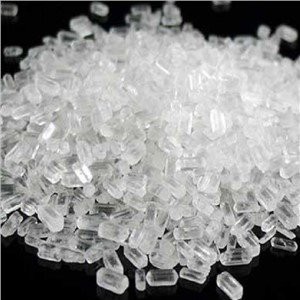
As a rosin resin supplier, I often encounter customers who are looking for alternatives to rosin resin for various reasons, such as cost - effectiveness, environmental concerns, or specific application requirements. In this blog, I'll explore some of the viable alternatives to rosin resin and discuss their characteristics, advantages, and potential applications.
1. Glycerin
Glycerin is a colorless, odorless, and viscous liquid that has several properties that make it an alternative to rosin resin in certain applications. It is a by - product of the soap - making and biodiesel production processes, which makes it a relatively sustainable option.
Glycerin has excellent humectant properties, meaning it can attract and retain moisture. In the adhesive industry, this can be beneficial as it helps to keep the adhesive pliable and prevents it from drying out too quickly. For example, in some water - based adhesives, glycerin can be used to replace a portion of rosin resin to improve the adhesive's flexibility and longevity.
In the food and pharmaceutical industries, glycerin is widely used as a solvent, sweetener, and preservative. It is non - toxic and has a high boiling point, which makes it suitable for applications where heat stability is required. Compared to rosin resin, which may have a strong odor and can be more difficult to work with in some food - grade applications, glycerin offers a cleaner and more user - friendly option.
2. Phthalic Anhydride
Phthalic Anhydride is an important industrial chemical that is used in the production of various resins, including alkyd resins. Alkyd resins made from phthalic anhydride can be used as an alternative to rosin resin in coatings, paints, and varnishes.
Phthalic anhydride - based alkyd resins have good adhesion properties, durability, and resistance to weathering. They can be formulated to have different drying times, hardness levels, and gloss finishes, which makes them suitable for a wide range of applications. For instance, in automotive coatings, alkyd resins can provide a smooth and shiny finish that is resistant to scratches and UV radiation.
However, it's important to note that phthalic anhydride has some environmental and health concerns. It is classified as a hazardous substance, and its production and use are subject to strict regulations. In recent years, there has been a growing trend towards using more environmentally friendly alternatives, but phthalic anhydride - based resins still have their place in many industrial applications.
3. Isocyanate Resin PMDI
Isocyanate Resin PMDI, or polymeric methylene diphenyl diisocyanate, is a type of resin that is commonly used in the production of foams, adhesives, and coatings. It offers several advantages over rosin resin, especially in terms of its strength and durability.
In the foam industry, PMDI is used to produce rigid polyurethane foams that are used for insulation, packaging, and construction. These foams have excellent thermal insulation properties, high compressive strength, and good dimensional stability. Compared to rosin - based foams, PMDI foams can provide better performance in terms of energy efficiency and structural integrity.


In the adhesive industry, PMDI can be used to create high - strength adhesives that are suitable for bonding a variety of materials, including wood, metal, and plastics. The chemical reaction between PMDI and other components in the adhesive formulation results in a strong and durable bond that can withstand high loads and harsh environmental conditions.
4. Petroleum Resin
Petroleum Resin is a synthetic resin that is derived from petroleum fractions. It is available in different grades and types, each with its own set of properties and applications. Petroleum resins can be used as an alternative to rosin resin in many industries, such as adhesives, rubber, and coatings.
One of the main advantages of petroleum resin is its low cost. It is generally more affordable than rosin resin, which makes it an attractive option for manufacturers looking to reduce their production costs. In the adhesive industry, petroleum resin can be used to improve the tackiness and adhesion of adhesives. It can also enhance the flexibility and heat resistance of the adhesive, making it suitable for a wide range of applications, from packaging to automotive assembly.
In the rubber industry, petroleum resin can be used as a processing aid and a tackifier. It helps to improve the processability of rubber compounds and enhances the adhesion between rubber and other materials. Petroleum resin - based rubber products can have better mechanical properties and longer service life compared to those using rosin resin.
5. Zirconite Carbonite
Zirconite Carbonite is a relatively new material that has shown potential as an alternative to rosin resin in some specialized applications. It is a type of ceramic - like material that has high heat resistance, chemical stability, and mechanical strength.
In high - temperature applications, such as foundry coatings and refractory materials, zirconite carbonite can be used to replace rosin resin. It can withstand extreme temperatures without degrading, which makes it suitable for use in environments where rosin resin would quickly break down. For example, in the casting of metals, zirconite carbonite coatings can provide a smooth and protective surface that helps to improve the quality of the castings.
However, the use of zirconite carbonite is still limited due to its relatively high cost and the need for specialized processing techniques. As research and development continue, it is possible that the cost of zirconite carbonite will decrease, and its applications will expand.
Considerations When Choosing an Alternative
When considering alternatives to rosin resin, there are several factors that need to be taken into account.
Cost: Cost is often a major consideration for manufacturers. While some alternatives may be more expensive upfront, they may offer long - term cost savings due to their better performance and durability.
Performance Requirements: Different applications have different performance requirements. For example, in a high - temperature application, a resin with high heat resistance is needed. In a food - grade application, a non - toxic and odorless alternative is essential.
Environmental Impact: With increasing environmental awareness, the environmental impact of the materials used is becoming more important. Some alternatives may be more sustainable and have a lower carbon footprint than rosin resin.
Compatibility: The alternative material must be compatible with other components in the formulation. For example, in an adhesive, the alternative resin must be able to bond well with the substrate and other additives.
Conclusion
In conclusion, there are several alternatives to rosin resin available in the market, each with its own set of advantages and disadvantages. As a rosin resin supplier, I understand that different customers have different needs, and sometimes an alternative may be the best solution. Whether it's glycerin for its humectant properties, phthalic anhydride for its use in alkyd resins, isocyanate resin PMDI for its strength, petroleum resin for its cost - effectiveness, or zirconite carbonite for its high - temperature resistance, there is an alternative out there that can meet your specific requirements.
If you are interested in exploring these alternatives further or have any questions about rosin resin or its alternatives, I encourage you to reach out for a procurement discussion. We can work together to find the best solution for your application.
References
- "Handbook of Adhesive Technology", Second Edition, edited by A. Pizzi and K. L. Mittal
- "Industrial Chemistry", Third Edition, by Robert E. Krebs
- "Polymer Science and Technology", Second Edition, by Donald R. Paul and C. B. Bucknall