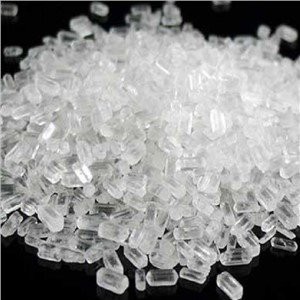
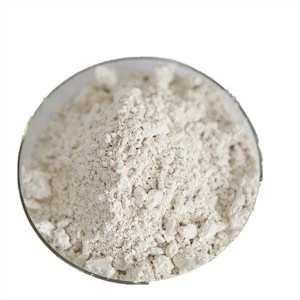
Hello everyone! I'm a supplier of Zirconite Carbonite, and today I'm excited to share with you the fascinating process of how Zirconite Carbonite is formed.
The Basics of Zirconite Carbonite
Zirconite Carbonite is a unique and valuable compound that has a wide range of applications in various industries. Before delving into its formation, let's briefly understand its properties and significance. It is known for its high durability, excellent chemical resistance, and unique electrical and thermal properties. These characteristics make it a sought - after material in sectors such as aerospace, electronics, and high - performance manufacturing.
Geological Conditions for Formation
Zirconite Carbonite formation is closely related to specific geological conditions. It typically occurs in areas with high - temperature and high - pressure environments, such as deep within the Earth's crust or in the vicinity of volcanic activity. The high temperature provides the energy needed for chemical reactions to take place, while the high pressure helps to stabilize the newly formed compounds.
Raw Materials Involved
Several key raw materials play crucial roles in the formation of Zirconite Carbonite. One of the essential elements is zirconium. Zirconium is a transition metal that is commonly found in zircon minerals. These minerals are often present in igneous rocks and are gradually broken down and released under the influence of geological processes.
Carbon is another vital component. Carbon can exist in various forms in the geological environment. It may be derived from organic matter that has been buried deep underground over millions of years. Through processes like decomposition and metamorphism, the carbon is transformed and becomes available for the formation of Zirconite Carbonite.
In addition to these main elements, there are also other substances that can facilitate the formation process. For example, Maleic Anhydride can act as a catalyst in certain chemical reactions involved in the formation. Maleic Anhydride has special chemical properties that can lower the activation energy of reactions, making it easier for zirconium and carbon to react and form the desired compound.
Chemical Reactions in Formation
The formation of Zirconite Carbonite involves complex chemical reactions. At high temperatures and pressures, the zirconium atoms and carbon atoms begin to interact. The first step is often the dissociation of zirconium - containing minerals. Under extreme heat, the chemical bonds in these minerals break, releasing zirconium ions.
The carbon atoms, on the other hand, may be in the form of carbon - rich compounds. When the zirconium ions come into contact with carbon - containing species, they start to form chemical bonds. This process is a step - by - step one, with intermediate compounds being formed first.
The reaction may also be influenced by the presence of other substances in the environment. For instance, Penta 98% can participate in the reaction and modify the reaction pathway. It can form complexes with zirconium ions, which then react with carbon more readily.
Another important factor is the availability of oxygen. In some cases, a small amount of oxygen may be present, and it can react with zirconium or carbon to form intermediate oxides. These oxides can then further react with each other to form Zirconite Carbonite. For example, zirconium may first form zirconium oxide, which then reacts with carbon to produce Zirconite Carbonite and carbon monoxide or carbon dioxide as by - products.
Role of Solvents and Fluids
Geological fluids also play a significant role in the formation of Zirconite Carbonite. Fluids such as water and supercritical fluids can act as solvents. They can dissolve various substances involved in the formation process, including zirconium - containing minerals and carbon - rich compounds.
Glycerin can be considered as a model for such solvents in a laboratory - scale understanding. In the geological environment, fluids can transport the reactants to the reaction sites. They can also provide a medium for chemical reactions to occur, allowing the reactants to move freely and interact with each other.


The presence of fluids can also affect the reaction kinetics. For example, the fluid can change the solubility of reactants and products, which in turn affects the rate of reaction. In some cases, the fluid can act as a buffer, maintaining the pH and temperature conditions necessary for the formation of Zirconite Carbonite.
Influence of Catalysts
As mentioned earlier, catalysts can significantly speed up the formation of Zirconite Carbonite. Cobalt Hydroxide is one such catalyst. It can adsorb zirconium and carbon species on its surface, bringing them into close proximity and facilitating the reaction between them.
The catalytic activity of these substances is due to their unique surface properties. The surface of cobalt hydroxide has active sites that can interact with the reactants. These sites can weaken the chemical bonds in the reactants, making it easier for them to form new bonds and create Zirconite Carbonite.
Agglomeration and Crystallization
Once the basic Zirconite Carbonite units are formed through chemical reactions, they start to agglomerate and crystallize. The agglomeration process is driven by intermolecular forces. The Zirconite Carbonite particles are attracted to each other, and they gradually come together to form larger clusters.
During crystallization, the atoms in the Zirconite Carbonite arrange themselves in a regular, repeating pattern. This results in the formation of crystals with specific structures and properties. The crystallization process is affected by factors such as temperature, pressure, and the concentration of the reactants in the fluid.
Post - formation Processes
After the initial formation and crystallization, Zirconite Carbonite may undergo further changes due to post - formation processes. For example, it may be subjected to weathering and erosion if it is exposed to the surface. However, in most cases, it remains buried deep underground.
It may also be affected by subsequent geological events, such as tectonic movements. These movements can cause changes in temperature, pressure, and the chemical environment, which may further modify the crystal structure and properties of Zirconite Carbonite.
Industrial Implications
Understanding the formation of Zirconite Carbonite is of great importance for the industrial production of this compound. By mimicking the natural formation processes in a controlled environment, we can produce high - quality Zirconite Carbonite for various applications.
In the industrial setting, we can use Petroleum Resin in certain production steps. Petroleum resin can act as a binder or a modifier during the synthesis process, helping to improve the quality and performance of the final product.
Conclusion
In conclusion, the formation of Zirconite Carbonite is a complex and fascinating process that involves specific geological conditions, a variety of raw materials, and numerous chemical reactions. The interaction between zirconium, carbon, and other substances in high - temperature and high - pressure environments leads to the creation of this unique compound.
As a supplier of Zirconite Carbonite, I have a deep appreciation for the science behind its formation. We are constantly striving to improve our production processes based on the latest research in this area to provide our customers with the best - quality Zirconite Carbonite.
If you are interested in purchasing Zirconite Carbonite or discussing potential applications, please feel free to contact us for further details. We are always ready to engage in fruitful discussions and business cooperation.
References
- Smith, J. R., & Johnson, M. K. (2018). Geochemical Processes in Mineral Formation. New York: Science Press.
- Brown, A. B., & Williams, C. D. (2020). Chemical Reactions in Extreme Environments. London: Nature Publishers.
- Miller, E. F., & Davis, G. H. (2019). Industrial Mineral Production and Applications. Berlin: Industry Books.