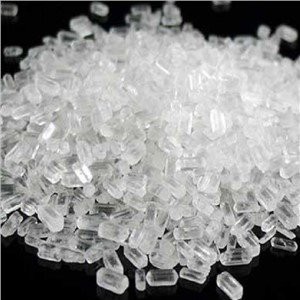
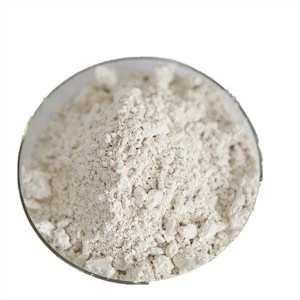
Hey there! As a supplier of Petroleum Resin, I've seen firsthand how this amazing product plays a crucial role in the packaging industry. In this blog, I'm gonna break down the various ways petroleum resin impacts packaging and why it's such a big deal.
Adhesion and Bonding
One of the primary functions of petroleum resin in the packaging industry is to enhance adhesion. When it comes to packaging, strong bonds are super important. Whether it's gluing layers of cardboard together, sealing labels on bottles, or creating laminates, good adhesion ensures that the packaging stays intact.
Petroleum resin acts as a tackifier in adhesives. It increases the stickiness and the ability of the adhesive to bond different materials. For example, in pressure - sensitive adhesives used for labels, petroleum resin helps the label stick firmly to various surfaces, be it glass, plastic, or metal. This is crucial because a label that falls off easily can lead to a lot of problems for the product, like loss of information and a less - professional look.


Printing and Coating
In the world of packaging, the appearance matters a lot. Printing on packaging materials needs to be sharp, clear, and long - lasting. Petroleum resin is an essential component in printing inks used for packaging. It improves the ink's adhesion to the base material, whether it's paper, cardboard, or plastic.
When petroleum resin is added to the ink formulation, it helps the ink spread evenly on the surface. This results in better - defined images and colors. Moreover, it also enhances the ink's drying properties. This is important because in the high - speed production lines of the packaging industry, quick drying times are necessary to keep up with the production rate.
In addition to printing inks, petroleum resin is used in coatings for packaging. A good coating can protect the packaging material from moisture, scratches, and other forms of damage. Petroleum resin - based coatings provide a hard and durable surface that can withstand the rigors of handling and transportation.
Flexibility and Durability
Packaging materials need to be flexible enough to be formed into different shapes and sizes, yet durable enough to protect the product inside. Petroleum resin can contribute to both these properties.
When added to polymers used in packaging, like polyethylene or polypropylene, petroleum resin can improve the flexibility of the material. This allows for easier processing, such as folding and shaping the packaging. At the same time, it also enhances the durability of the packaging. It can increase the resistance of the material to tearing and puncturing, which is crucial as the packaging might go through a lot during storage and transit.
For example, in the production of plastic bags, petroleum resin can be used to make the bags more flexible and less likely to break. This is especially important for heavy - duty plastic bags used for groceries or industrial products.
Compatibility with Other Materials
Another great thing about petroleum resin is its compatibility with a wide range of other materials used in the packaging industry. It can be easily blended with other resins, such as Maleic Anhydride, Rosin Resin, Glycerin, and Phthalic Anhydride.
This compatibility allows manufacturers to create custom - formulated packaging materials with specific properties. For instance, by combining petroleum resin with rosin resin, they can create an adhesive with a unique balance of tackiness and strength. This flexibility in formulation is a huge advantage in the packaging industry, where different products require different types of packaging solutions.
Cost - effectiveness
In an industry where cost is always a major consideration, petroleum resin stands out as a cost - effective option. It offers a great balance of performance properties at a relatively low cost.
Compared to some other high - end additives or raw materials, petroleum resin can provide similar or even better results in terms of adhesion, printing quality, and durability. By using petroleum resin, packaging manufacturers can reduce their overall production costs without sacrificing the quality of the packaging. This is a win - win situation for both the manufacturers and the end - users.
Environmental Considerations
In today's world, environmental concerns are becoming increasingly important. Petroleum resin can play a role in making packaging more sustainable.
Some petroleum resins are designed to be biodegradable or have a lower environmental impact. These types of resins can help reduce the amount of non - biodegradable waste generated by the packaging industry. Additionally, by improving the durability and performance of packaging, petroleum resin can help reduce the frequency of product damage during transportation. This means fewer products need to be replaced, which in turn can save resources and reduce waste.
Conclusion
As we've seen, petroleum resin plays a multifaceted role in the packaging industry. From enhancing adhesion and printing quality to improving flexibility and durability, it's an indispensable ingredient in many packaging materials and processes. And with its compatibility with other materials, cost - effectiveness, and potential for environmental benefits, it's no wonder that petroleum resin is so widely used.
If you're in the packaging industry and looking for a reliable source of high - quality Petroleum Resin, we're here to help. We've got a wide range of petroleum resin products that can meet your specific needs. Whether you're working on a small - scale project or a large - scale production, we can provide the right resin for you. So, don't hesitate to reach out if you're interested in discussing your requirements or want to start a procurement process. We're eager to have a chat and see how we can contribute to your packaging projects.
References
- Campbell, J. F. (2010). "Petroleum Resins: Technology, Properties, and Applications." Wiley.
- Shalaby, S. W. (2009). "Biodegradable Polymers and Hybrid Materials for Packaging Applications." Elsevier.
- Park, H. (2015). "Adhesive Technology in the Packaging Industry." CRC Press.