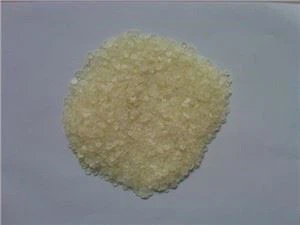
As a supplier deeply entrenched in the petroleum resin market, I've witnessed firsthand the dynamic shifts and emerging forces that are shaping its future. Petroleum resin, a versatile hydrocarbon product, plays a pivotal role in a wide range of industries, from adhesives and coatings to rubber and printing inks. Understanding the future trends in this market is crucial for both businesses and investors looking to stay ahead of the curve.
1. Sustainability and Environmental Concerns
The global push towards sustainability is one of the most significant factors influencing the petroleum resin market. As consumers become more environmentally conscious, there is a growing demand for eco - friendly products. In the petroleum resin sector, this translates into a shift towards bio - based and renewable raw materials.
Bio - based petroleum resins, which are derived from natural sources such as Rosin Resin, are gaining traction. These resins offer similar performance characteristics to traditional petroleum - based resins but with a lower carbon footprint. They are also biodegradable in some cases, which is a major advantage in industries where environmental impact is a key consideration, like packaging and disposable consumer goods.
Moreover, regulatory bodies around the world are implementing stricter environmental regulations. For example, the European Union's REACH (Registration, Evaluation, Authorization, and Restriction of Chemicals) regulation has placed limitations on the use of certain hazardous substances in chemical products, including petroleum resins. Manufacturers are therefore compelled to invest in research and development to produce more sustainable and compliant products.
2. Advancements in Technology
Technological advancements are driving innovation in the petroleum resin market. New manufacturing processes are being developed to improve the quality and performance of petroleum resins. For instance, the use of advanced catalysts in the polymerization process allows for more precise control over the molecular structure of the resin, resulting in products with enhanced properties such as better adhesion, higher softening points, and improved thermal stability.
Nanotechnology is also making its way into the petroleum resin industry. By incorporating nanoparticles into petroleum resin formulations, manufacturers can create composite materials with unique properties. These nanocomposites can have improved mechanical strength, barrier properties, and flame retardancy, opening up new applications in industries such as aerospace and automotive.
Furthermore, the digital revolution is transforming the way petroleum resin suppliers operate. Advanced analytics and machine learning are being used to optimize production processes, predict market demand, and manage supply chains more efficiently. This not only improves the overall productivity of the business but also enables suppliers to offer more customized solutions to their customers.
3. Changing Demand Patterns in End - Use Industries
The demand for petroleum resin is closely tied to the performance of its end - use industries. In the adhesives industry, for example, the growth of the e - commerce and packaging sectors is driving up the demand for high - performance adhesives, which in turn increases the need for petroleum resins. As online shopping continues to grow globally, the demand for strong, flexible, and heat - resistant adhesives for packaging applications is expected to rise.


In the coatings industry, the shift towards water - based and high - solid coatings is influencing the demand for petroleum resins. Water - based coatings are more environmentally friendly and have lower volatile organic compound (VOC) emissions compared to traditional solvent - based coatings. Petroleum resins are being modified to be compatible with these new coating systems, and there is a growing demand for resins that can improve the adhesion, gloss, and durability of water - based coatings.
The rubber industry is another major consumer of petroleum resin. With the increasing demand for high - performance tires and automotive rubber components, the need for petroleum resins that can enhance the processability, tack, and mechanical properties of rubber compounds is on the rise. The development of new rubber formulations, such as those used in electric vehicle tires, also presents new opportunities for the petroleum resin market.
4. Global Market Expansion and Regional Shifts
The petroleum resin market is witnessing significant global expansion, with emerging economies playing a crucial role. Asia - Pacific, particularly China and India, is expected to be the fastest - growing region in the petroleum resin market. The rapid industrialization, urbanization, and growing middle - class population in these countries are driving up the demand for products that use petroleum resins, such as adhesives, coatings, and rubber goods.
In addition, there is a growing trend towards regionalization in the supply chain. As geopolitical tensions and trade uncertainties increase, many companies are looking to source their petroleum resin locally to reduce risks associated with international trade. This has led to an increase in investment in domestic production facilities in various regions, which in turn is expected to reshape the global market dynamics.
5. Raw Material Availability and Price Volatility
The availability and price of raw materials are important factors that will impact the future of the petroleum resin market. Petroleum resins are primarily derived from petrochemical feedstocks, such as C5 and C9 fractions obtained from crude oil refining. Fluctuations in crude oil prices can have a significant impact on the cost of producing petroleum resins.
In addition to petrochemical feedstocks, other raw materials such as Glycerin, Cobalt Hydroxide, Maleic Anhydride, and Penta 98% are also used in the production of certain types of petroleum resins. Any disruptions in the supply of these raw materials, whether due to natural disasters, geopolitical issues, or production problems, can lead to price volatility and supply shortages in the petroleum resin market.
To mitigate these risks, suppliers are exploring alternative raw materials and developing more efficient production processes. The use of bio - based raw materials, as mentioned earlier, not only addresses environmental concerns but also provides an opportunity to reduce dependence on petrochemical feedstocks and their associated price volatility.
Connecting with the Market
As a supplier in the petroleum resin market, I am committed to staying at the forefront of these trends. We are investing in research and development to create more sustainable, high - performance products that meet the evolving needs of our customers. Our advanced manufacturing facilities allow us to produce a wide range of petroleum resins with consistent quality.
If you are in the market for petroleum resin or are interested in learning more about our products and solutions, I encourage you to reach out to us for a procurement discussion. We are eager to work with you to find the best resin solutions that meet your specific requirements. Whether you are in the adhesives, coatings, rubber, or any other industry that uses petroleum resin, we have the expertise and resources to support your business.
References
- "Petroleum Resins Market - Global Industry Analysis, Size, Share, Growth, Trends, and Forecast 20xx - 20xx". [Publisher Name], [Year].
- "Sustainable Chemistry in the Petroleum Resin Industry". [Journal Name], [Volume], [Year], [Pages].
- "Technological Innovations in Petroleum Resin Manufacturing". [Conference Proceedings], [Location], [Year].